


Sealing Natural Stone Paving: Is It Necessary?
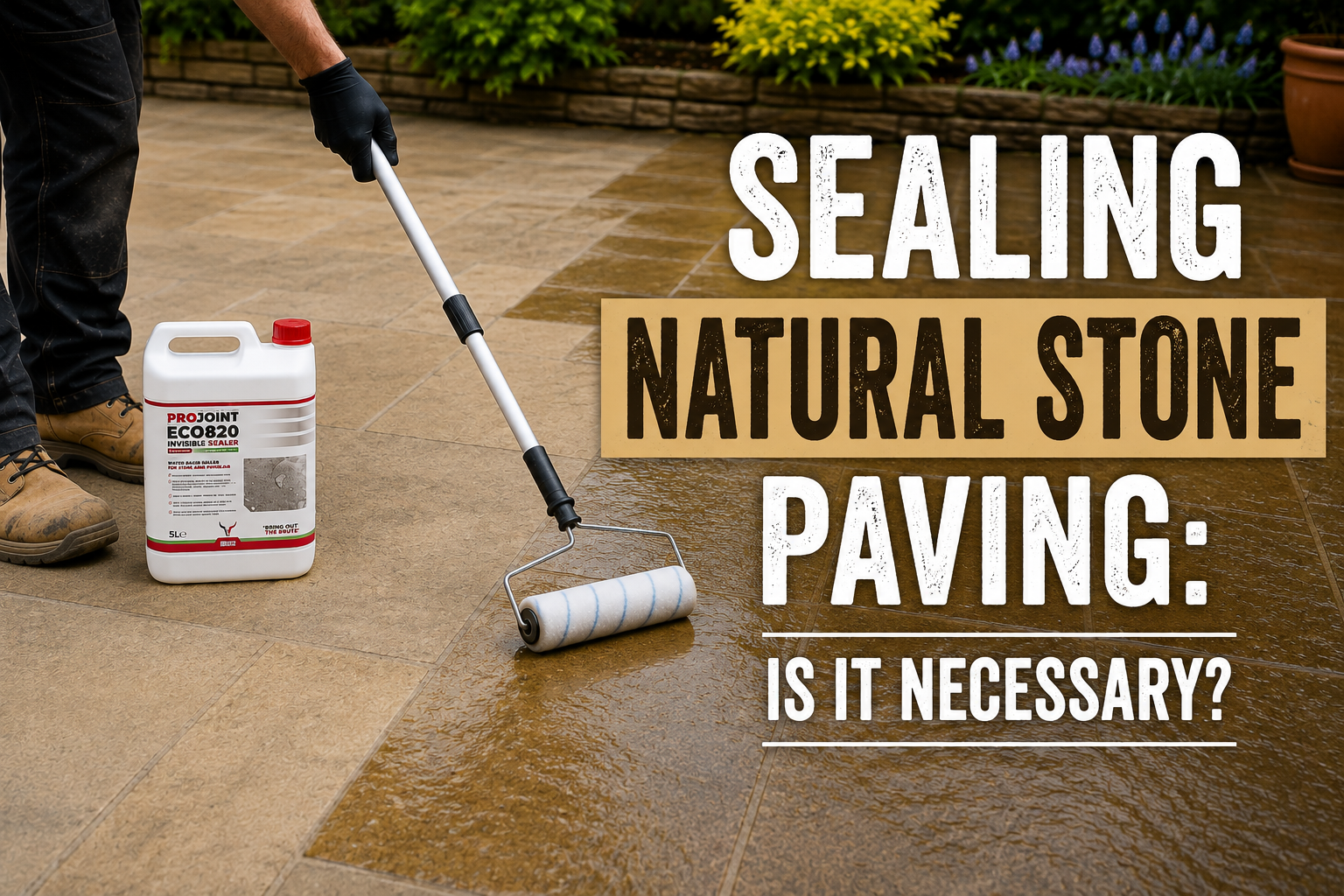
Natural stone paving is valued for its strength, durability and timeless appearance. In fact, it can withstand years of exposure to the elements without losing its structural integrity. With that said, moisture, dirt and regular use can gradually affect its appearance over time, which is why using a stone sealant is often recommended.
Read on to discover the benefits of sealing natural stone, the different types of sealant and when to seal your patio. We’ll also cover how to apply your chosen product and options for restoring faded natural stone, with practical tips from our founder, Nick Love.
Is sealing natural stone paving really necessary?
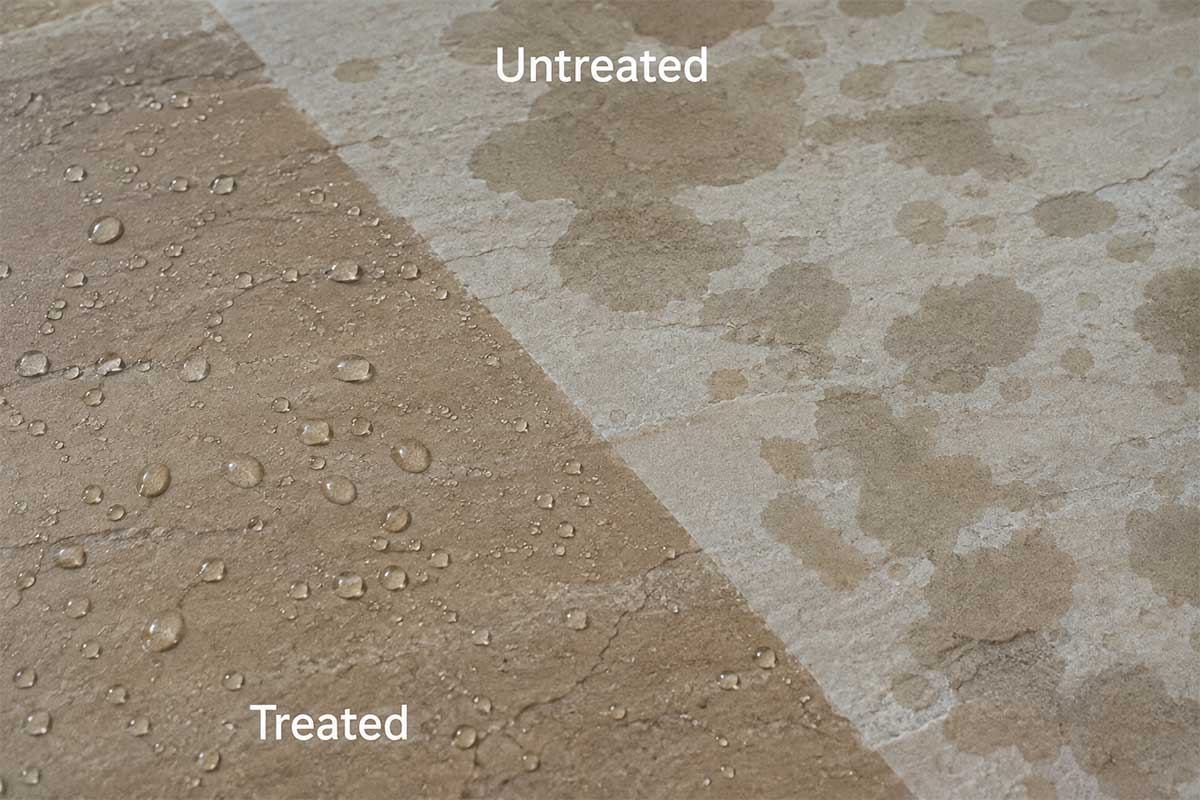
The simple answer is no – but it’s well worth doing. Natural stone paving doesn’t need to be sealed to remain structurally sound. However, sealing natural stone provides an extra layer of protection, helping to reduce staining, limit water absorption and make your patio easier to maintain. As Nick confirms:
“Natural stone is thousands of years old and will not structurally deteriorate if left unsealed, but we advise our customers to seal natural stone paving to preserve its appearance and prevent staining, particularly from barbecue grease, food and drink.”
The professional grade impregnating sealants we stock offer a number of benefits, including:
- Improved stain resistance – Repels liquids, grease and dirt before they can soak into the stone and leave permanent stains.
- Protection from the elements – Reduces water absorption, helping to minimise the risk of surface damage from winter frosts.
- Less moss and algae growth – Creates a drier surface that is less likely to encourage growth of moss, algae and black spot lichens.
- Less maintenance – Dirt and spills remain on the surface for longer, rather than being absorbed, making routine cleaning quicker and easier.
- Long-lasting appearance – Many sealants provide UV protection to reduce fading, while colour-enhancing products can restore and enrich the stone’s natural colour.
Note: This advice applies to natural stone only. Porcelain slabs are non-porous, so don’t need sealing.
What types of sealants are available for natural stone paving?
Stone sealants are available in a range of formulations, each designed for a specific purpose. Here’s a closer look at the main types and the differences between them to help you choose the right product for your patio.
Impregnating stone sealants
Impregnating sealants are the recommended choice for sealing natural stone because they penetrate deep into the surface rather than simply forming a coating on top. This creates a breathable barrier that protects against water, staining and weathering while allowing moisture vapour to escape naturally. As Nick explains:
“We only sell impregnating sealants. They are professional-grade products that provide better durability and appearance, aren’t slippery when wet and allow the stone to breathe.”
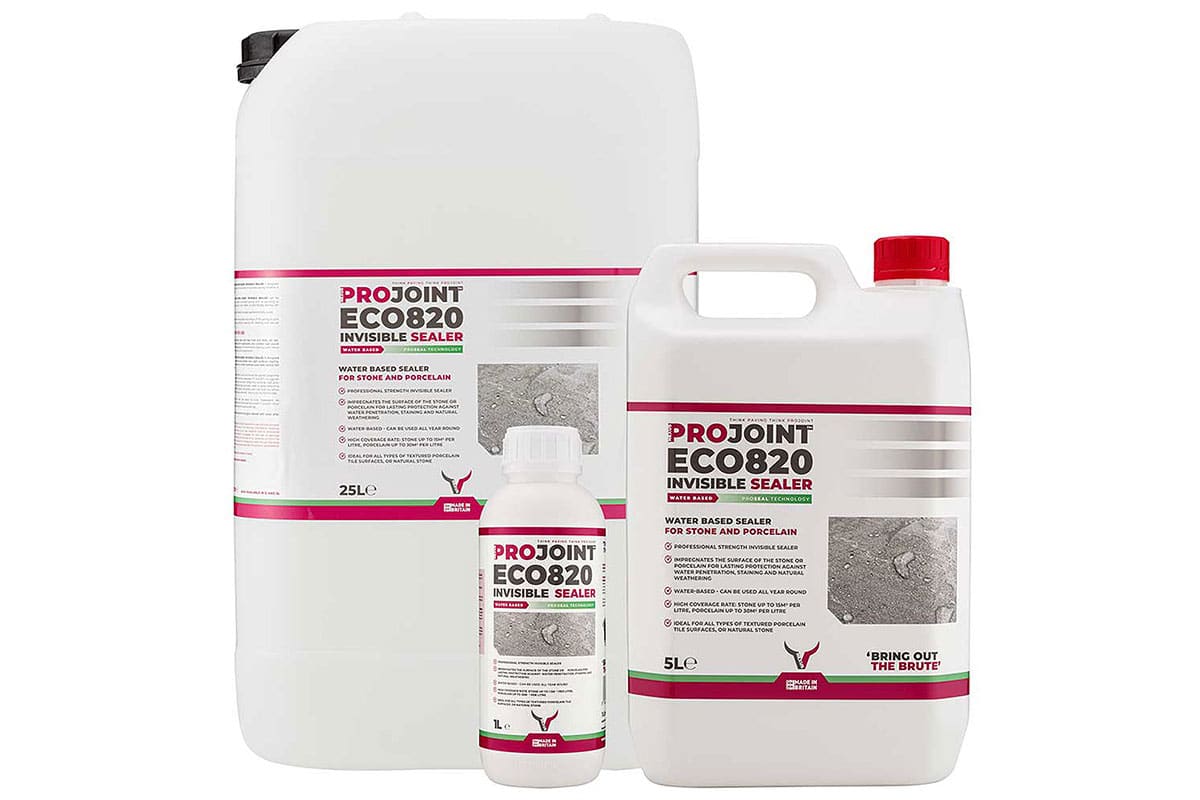
If you want to protect your paving without altering its appearance, Pro Joint’s water-based Eco 820 sealant provides a durable yet invisible finish and is suitable for all types of natural stone.
Surface coating sealants
In comparison, surface coating sealants form a protective film over the paving rather than penetrating the stone itself. They produce a glossier finish and are generally less suitable for natural stone because they can trap moisture and become slippery when wet. Additionally, they will wear away over time and may need to be stripped before a new coat can be applied. We feel that impregnating products are better for sealing natural stone.
Colour-enhancing stone sealants
Colour-enhancing sealants are a type of impregnating sealant that deepen the natural colour of your paving slabs while providing the same breathable protection. They’re particularly popular for sandstone, slate and darker limestone, creating a richer, more vibrant finish without leaving a glossy surface. Nick advises:
“Water-based sealants are best if you want an invisible finish, but we usually recommend a solvent-based sealant if you’d like to enhance the stone, as it provides a stronger colour.”
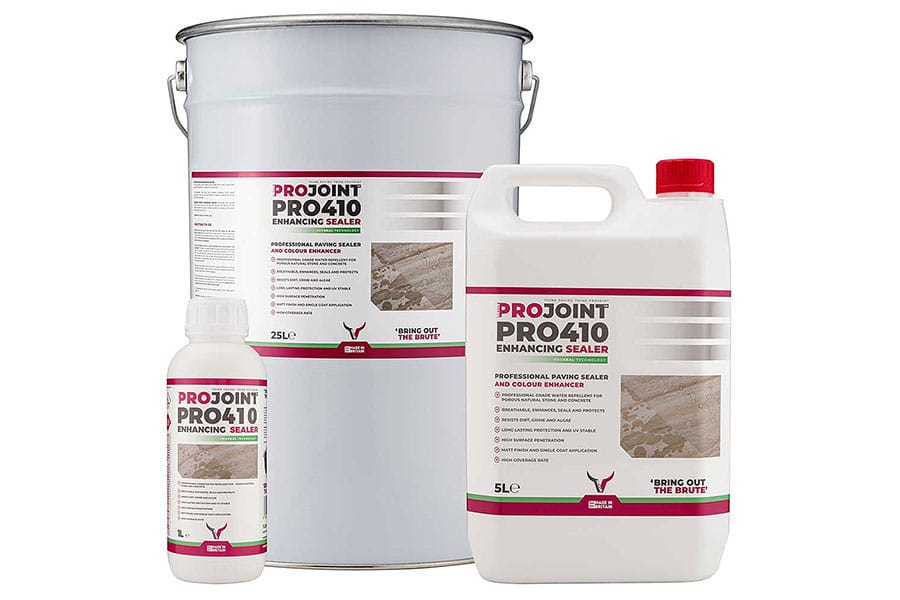
For customers looking to enrich the natural tones of their paving, ProJoint Pro 410 combines colour enhancement with highly effective protection against staining and weathering.
Pre-grout sealants
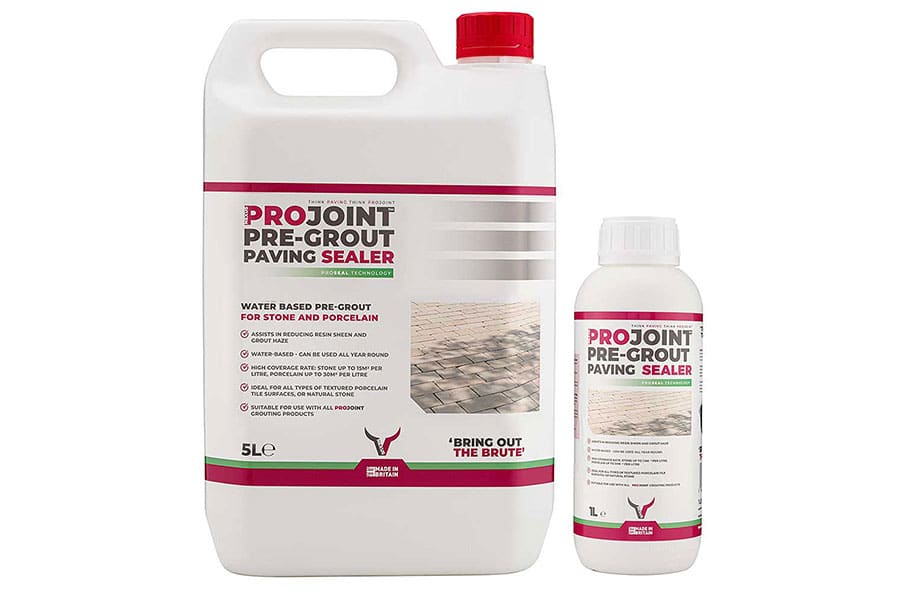
If you’re laying a new patio, it’s worth applying a pre-grout treatment before using your jointing compound. Unlike a standard paving sealant, these products are designed to lessen the risk of grout haze and resin sheen during installation. In other words, they help prevent chemicals in the compound from leaving a stubborn residue on the surface of the paving for a cleaner finish. ProJoint Pre-Grout Paving Sealer can be used on both natural stone and porcelain paving to make any jointing residue easier to remove once the compound has cured.
When should you seal natural stone paving?
Applying sealant at the right time is just as important as choosing the right product. For newly laid patios, Nick suggests waiting 8-12 weeks before sealing. This gives the stone time to dry fully and allows any naturally occurring salts and minerals to work their way out before the stone is sealed.
If the weather has been particularly wet or cold, it’s a good idea to wait a little longer to make sure the paving is completely dry. Sealant should always be applied in dry conditions when temperatures are between 5°C and 25°C, with no rain forecast until the sealant is fully cured.
Most new natural stone patios benefit from two coats of impregnating sealant. While some manufacturers state that applying a second coat is possible once the first is touch dry, Nick Love advises waiting longer between coats:
“In my experience, leaving at least 24 hours between coats allows the sealant to soak in properly and achieves better, longer-lasting results.”
After that, resealing the surface every one to three years is usually enough, depending on the type of stone, the amount of foot traffic and its exposure to the weather. One key advantage of impregnating sealants is that, unlike surface sealants, they don’t need to be stripped before resealing. Simply make sure the paving is clean, allow it to dry fully, then apply a fresh coat to restore protection.
How do you seal or reseal natural stone paving?
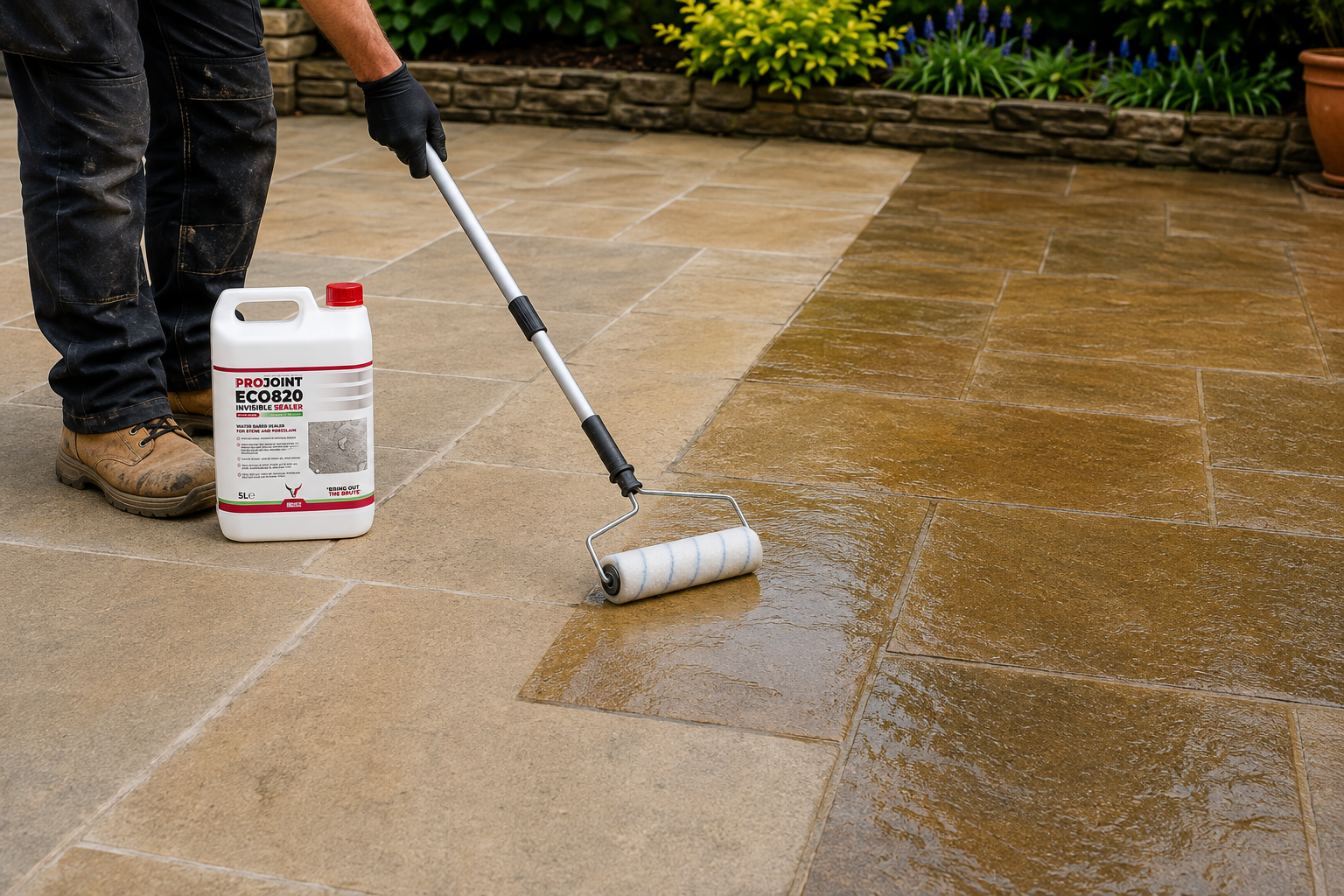
Sealing natural stone is a straightforward DIY job that most homeowners can do themselves. While application methods vary slightly between products, the following steps apply to most impregnating sealants. Always read the manufacturer’s instructions and health and safety guidance before getting started.
1. Clean your paving thoroughly
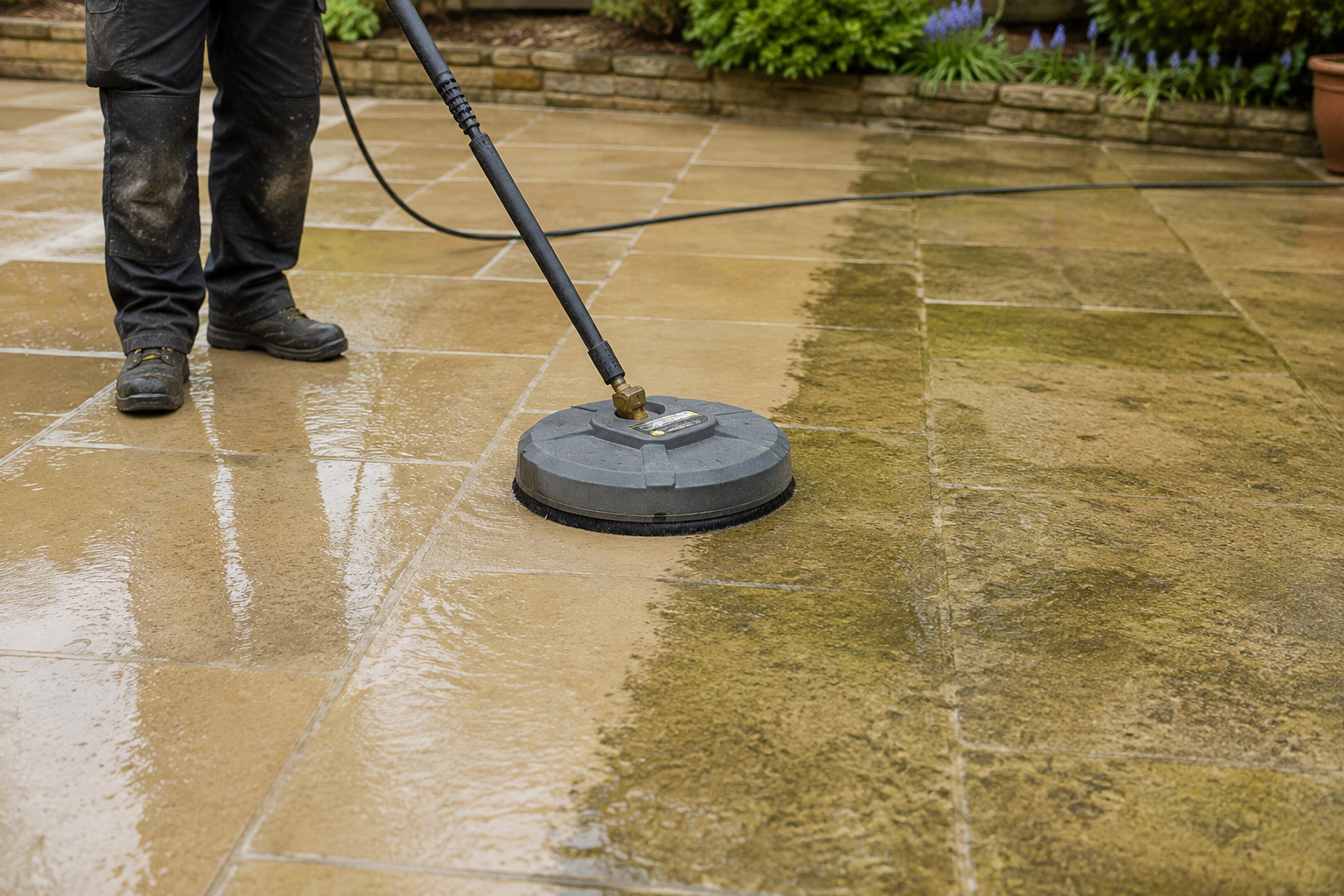
Before sealing natural stone, the paving should be clean and free from dirt, grease, oil, moss, algae and any existing stains. Any contaminants left on the surface can become trapped beneath the sealant and affect the finished appearance. We sell a range of professional grade products for general stone cleaning and treating specific issues such as black-spot and efflorescence.
Newly laid patios can usually be cleaned with a stiff brush and water, while older paving may require a specialist cleaner. We stock ProJoint Ultimate – a concentrated patio cleaning solution designed to remove all of the above. Suitable for natural stone, concrete and driveways, it can also be used with pressure washers to prepare larger areas before sealing.
2. Allow the paving to dry
Before sealing, the paving should be clean and free from dirt, grease, oil, moss, algae and any existing stains. Any contaminants left on the surface can become trapped beneath the sealant and affect the finished appearance. We sell a range of professional grade products for general stone cleaning and treating specific issues such as black-spot and efflorescence.
Newly laid patios can usually be cleaned with a stiff brush and water, while older paving may require a specialist cleaner. We stock ProJoint Ultimate – a concentrated patio cleaning solution designed to remove all of the above. Suitable for natural stone, concrete and driveways, it can also be used with pressure washers to prepare larger areas before sealing.
3. Apply the stone sealant evenly
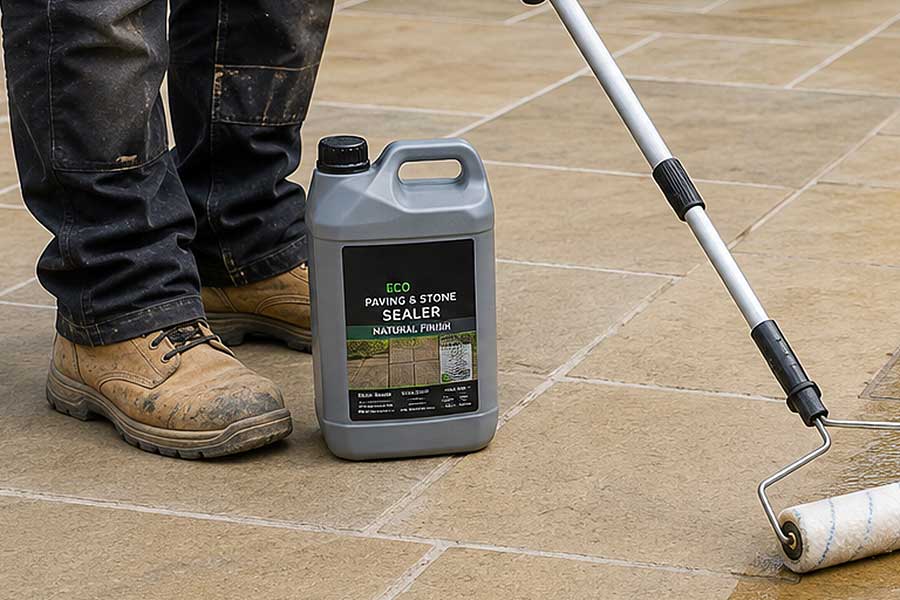
Most impregnating sealants can be applied using a roller, brush, lint-free cloth, stone mop or suitable sprayer. Whichever you choose, apply the sealant evenly across the surface, ensuring complete coverage without allowing it to pool. If this happens, wipe away any excess before it dries. Nick recommends using a roller, stone mop or brush where possible:
“Spraying can sometimes leave patchy coverage. If you use a sprayer, go back over the area with a cloth and wipe away any excess. Personally, I prefer applying sealant with a roller, brush or cloth because you have much more control over the finish.”
4. Apply a second coat
As mentioned, two coats of sealant are generally recommended for newly laid natural stone patios, to help maximise protection and create a more consistent finish. Follow the manufacturer’s guidelines on drying times or to be safe, wait until the next day to apply the second coat.
5. Allow the sealant to cure
Once the final coat has been applied, allow the sealant to cure fully before replacing garden furniture. While many ProJoint sealants will be touch dry within an hour, they won’t be ready for foot traffic for 12-24 hours. Additionally, curing times vary between products and changing weather conditions, so make sure you follow the manufacturer’s instructions.
How do you rejuvenate the colour of stone paving?
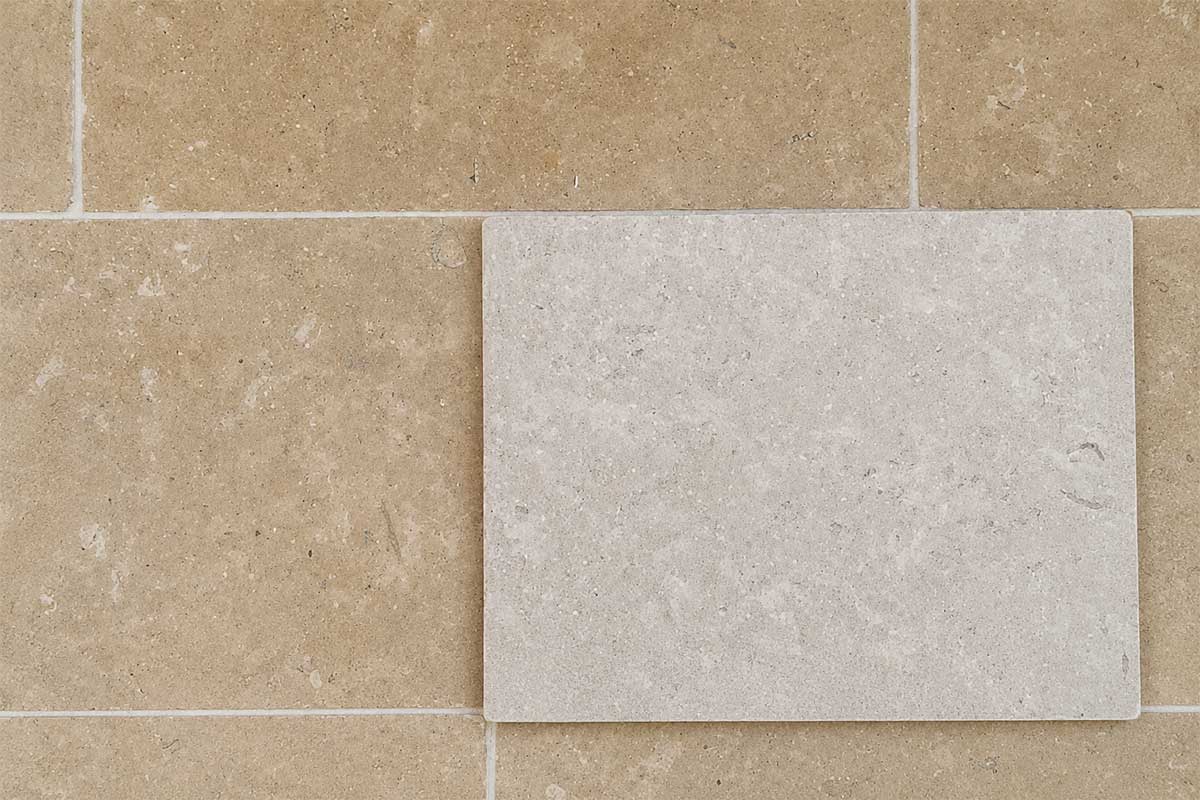
Over time, darker natural stone colours can gradually lose some of their richness through exposure to sunlight and UV rays. While this is a normal part of the weathering process, it doesn’t mean the paving needs replacing. A colour-enhancing sealant can often restore much of the stone’s original appearance, while protecting it against future weathering and staining.
To treat faded black limestone, slate, granite and even concrete paving, our pick would be ProJoint’s Black Limestone Restorer & Sealer. The coloured impregnating formula will revive the surface’s natural depth of colour and protect it from moisture, dirt, grime and algae too.
Protect your patio with the right stone sealant
Although sealing natural stone paving isn’t essential, it is one of the simplest ways to keep your patio looking its best. Choosing the right product and applying it correctly will help you get the best possible results.
At Love Stone, we stock a carefully selected range of professional grade ProJoint paving sealants, cleaners and jointing products for sandstone, limestone, slate and other types of natural stone paving from leading brand Nexus. We also sell cleaning products for porcelain paving. Whether you’re sealing a newly laid patio or resealing and rejuvenating your existing paving, our expert team can recommend the best product and provide advice to help you achieve long-lasting results.
Visit our paving showroom in Ewshot or enquire online to find the right stone sealant for your project. You can also browse our full range of paving accessories, including sealers and cleaners, online before ordering.
One Response